

Caring for Seniors With Dementia at Home
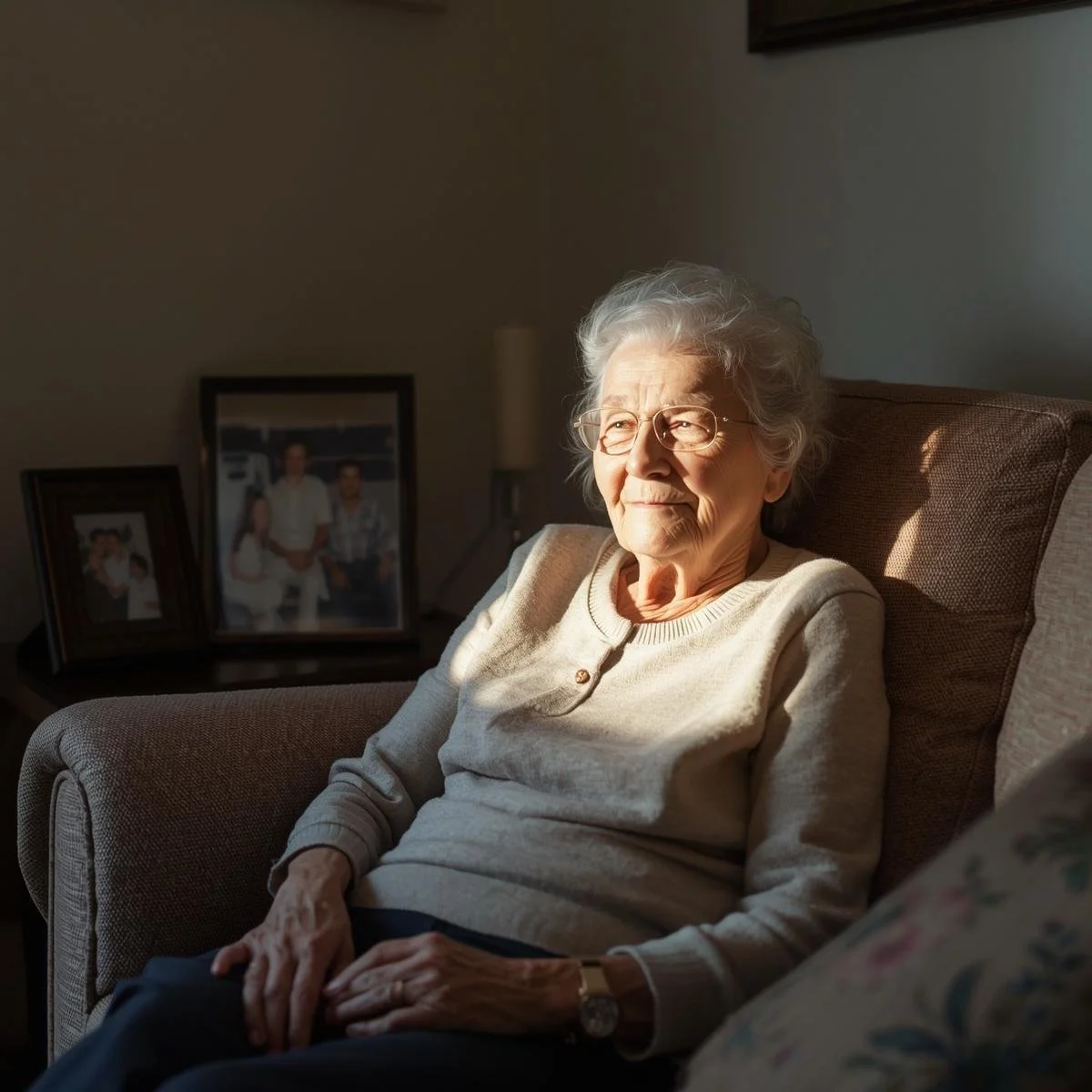
Dementia affects millions of individuals and families around the world. As people age, some may experience changes in memory, thinking, and behavior that gradually interfere with everyday life. These changes are often associated with conditions such as Alzheimer’s disease and other forms of dementia.
For many families, the goal is to help their loved ones remain at home for as long as possible. Home is a familiar environment filled with personal memories, routines, and a sense of comfort that can be especially important for individuals living with dementia.
Caring for a senior with dementia at home, however, requires patience, understanding, and careful planning. As the condition progresses, daily support becomes increasingly important. Family members and caregivers often play a central role in maintaining safety, dignity, and emotional well-beingwellbeing.
Dementia is not a single disease but a general term used to describe a group of symptoms that affect memory, reasoning, and daily functioning. These symptoms are caused by changes in the brain that interfere with how nerve cells communicate with one another.
Some of the most common forms include:
Alzheimer’s disease
Vascular dementia
Lewy body dementia
Frontotemporal dementia
Although each condition affects the brain differently, many individuals experience similar challenges such as memory loss, confusion, and difficulty completing everyday tasks.
Dementia typically develops gradually. Early symptoms may be subtle and easily mistaken for normal aging. Over time, however, the changes become more noticeable and begin to affect daily routines.
Families often choose home-based care for loved ones with dementia because familiar surroundings can help reduce confusion and anxiety.
Remaining in a known environment allows individuals to:
Recognize familiar objects and spaces
Maintain daily routines
Stay connected to personal memories
Remain close to family members
For individuals living with dementia, changes in environment can sometimes cause distress. Home care allows routines to remain consistent, which can help support emotional stability. Care at home also allows family members to remain closely involved in daily support.
Dementia often begins with subtle changes that become more noticeable over time. Some early signs may include:
Forgetting recent conversations or events
Difficulty remembering appointments
Repeating the same questions
Misplacing everyday items
Trouble following familiar routines
As symptoms progress, individuals may also experience:
Confusion about time or location
Difficulty recognizing familiar people
Challenges with language or communication
Changes in mood or personality
Recognizing these signs early allows families to seek guidance and begin planning supportive care.

Safety is one of the most important aspects of caring for someone with dementia. Because memory and judgment may be affected, everyday environments can sometimes present unexpected risks. Families and caregivers can improve safety by making thoughtful adjustments to the home.
These may include:
Removing tripping hazards such as loose rugs
Ensuring hallways and stairs are well lit
Installing grab bars in bathrooms
Locking away hazardous items such as medications or cleaning products
In some cases, caregivers may also use door alarms or monitoring devices to prevent wandering. The goal of these changes is not to restrict independence but to support safe movement within the home.
Routine plays an important role in dementia care. Predictable schedules help individuals feel more secure and reduce confusion about what comes next. Daily routines may include:
Regular meal times
Consistent wake and sleep schedules
Scheduled walks or activities
Quiet evening routines
Caregivers often find that familiar routines help seniors remain calmer and more comfortable. Even small changes in schedule can sometimes cause distress, so maintaining consistency is helpful whenever possible.
Communication may become more challenging as dementia progresses. Individuals may struggle to find the right words or follow conversations. Caregivers can support communication by using simple strategies such as:
Speaking slowly and clearly
Using short, simple sentences
Maintaining eye contact
Allowing extra time for responses
Patience is essential. Interrupting or correcting frequently can cause frustration. Instead, caregivers often focus on reassurance and understanding.
Memory changes are one of the most recognizable symptoms of dementia. Caregivers may help manage memory difficulties by using visual cues and reminders. Helpful strategies may include:
Placing labels on drawers or cupboards
Using calendars or whiteboards for daily schedules
Keeping frequently used items in consistent locations
Photographs and memory books can also help stimulate recognition and conversation. These tools support independence by helping seniors navigate familiar routines.
Living with dementia can be confusing and sometimes frightening for individuals who are aware that their memory is changing. Caregivers play an important role in offering reassurance and emotional support.
Simple actions such as sitting together, listening patiently, or engaging in familiar activities can provide comfort. Activities that may support emotional wellbeing include:
Listening to music from earlier life stages
Looking through family photo albums
Participating in simple hobbies
Spending time outdoors
These activities encourage engagement while reducing feelings of isolation.
Even gentle physical activity can benefit individuals living with dementia. Movement supports circulation, balance, and overall wellbeing. Caregivers may encourage activities such as:
Short walks
Light stretching
Gardening
Household tasks such as folding laundry
These activities provide both physical and mental stimulation. Remaining active can also improve sleep and reduce restlessness.
Eating habits may change as dementia progresses. Some individuals forget to eat, while others may lose interest in food or struggle with utensils. Caregivers can support healthy nutrition by:
Offering simple meals
Maintaining regular meal schedules
Providing finger foods when utensils become difficult to use
Ensuring adequate hydration
A calm, quiet dining environment can also help reduce distractions during meals.
Dementia may sometimes cause changes in behavior. Individuals may experience:
Restlessness
Anxiety
Irritability
Confusion about surroundings
Caregivers often respond by identifying possible triggers. These triggers may include fatigue, unfamiliar environments, or changes in routine. Providing reassurance and maintaining a calm environment can often help reduce distress.
Caring for someone with dementia at home can be rewarding, but it can also be demanding. Family caregivers may spend many hours assisting with daily tasks, monitoring safety, and providing companionship.
Over time, these responsibilities can become physically and emotionally exhausting. It is important for caregivers to recognize the value of seeking support. Support may include:
Assistance from professional caregivers
Respite care services
Support groups for caregivers
Guidance from healthcare professionals
Taking breaks allows family caregivers to maintain their own wellbeing while continuing to support their loved ones.
Professional caregivers often assist families caring for individuals with dementia. They may help with:
Personal care routines
Meal preparation
Medication reminders
Companionship
Safety monitoring
Their presence can provide stability and reassurance for both seniors and their families. Professional support can also allow family members to focus on spending meaningful time with their loved ones rather than managing every aspect of care alone.
Dementia is a progressive condition, meaning symptoms may gradually increase over time. Planning ahead can help families prepare for future needs. Important considerations may include:
Healthcare decisions
Living arrangements
Legal and financial planning
Long-term caregiving support
Discussing these topics early allows families to make thoughtful decisions together.

Caring for a senior with dementia at home requires patience, compassion, and adaptability. As memory and cognitive abilities change, caregivers play an essential role in maintaining safety, comfort, and emotional support.
Through consistent routines, thoughtful communication, and a supportive environment, families can help individuals living with dementia remain connected to the people and places that matter most. While the journey may bring challenges, it can also provide meaningful opportunities for connection, understanding, and care.
For further information about caregiving services, you may contact us at 📞 306-580-6555 or visit us at our website at 🌐 allwaysofcaring.ca.
