

How Home Care Boosts Independence for Seniors

There’s a quiet strength that comes with independence. For many seniors, being able to wake up in their own bed, make their morning coffee, and follow the rhythm of their day brings a deep sense of peace. It’s not just about comfort, but about identity, the freedom to live life as they choose, surrounded by familiar things and cherished memories.
But as time passes, daily tasks that once felt effortless can start to feel overwhelming. A simple walk to the mailbox might feel longer. Cooking meals becomes tiring. Managing medications can get confusing. These small changes are often the first signs that a little extra help could make a big difference. And this is where home care steps in, not to take control, but to give independence back.
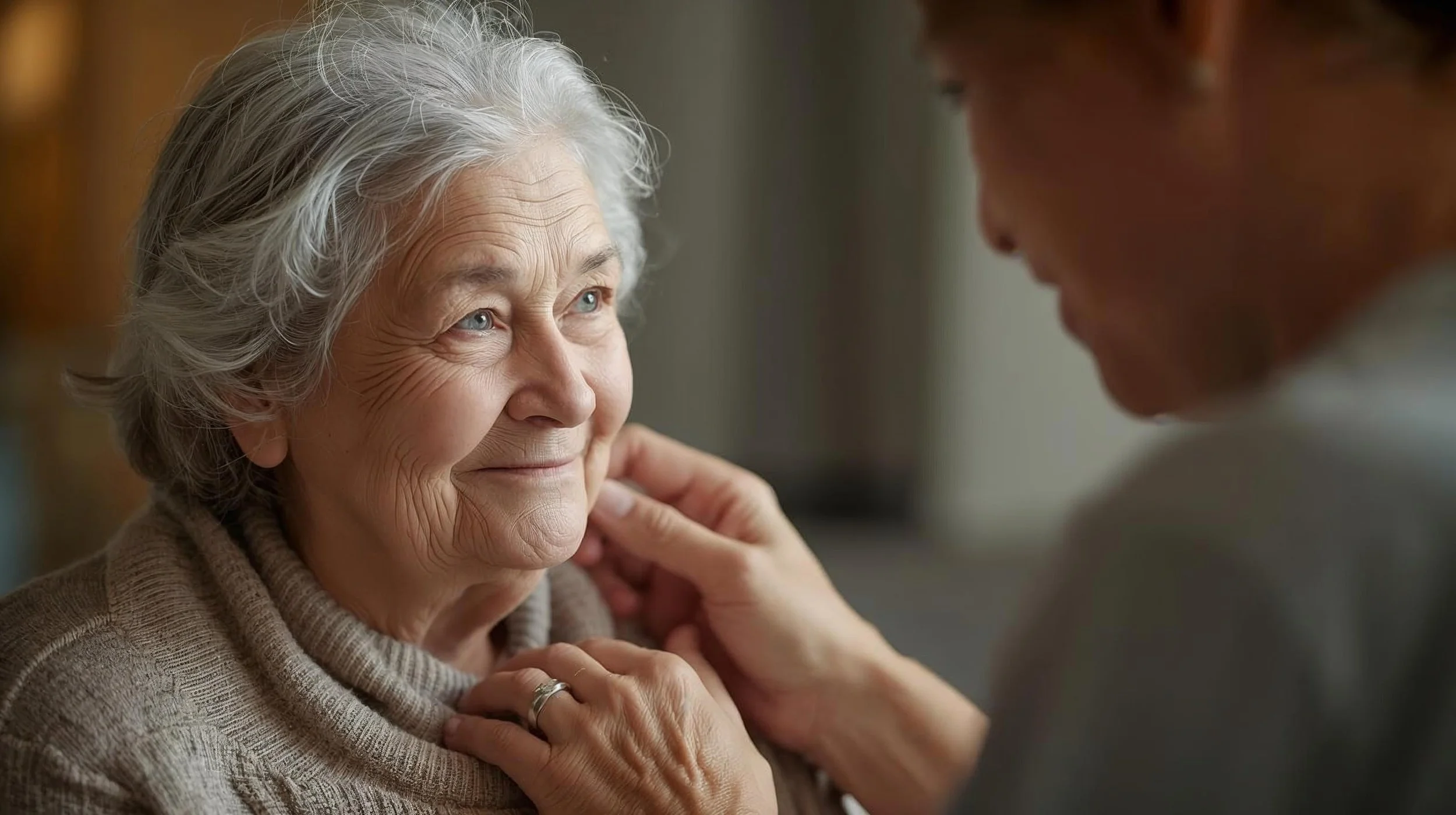
Home care is designed to keep seniors in the driver’s seat of their own lives. Instead of moving into a facility where routines are structured around schedules, home care brings support right to where life happens at home. Every visit from a caregiver is built around empowerment, helping older adults continue doing what they can while offering gentle assistance with what they can’t.

For example, a caregiver might help with cooking but still encourage a client to choose their own meals. They might assist with mobility, but ensure the senior walks as safely as possible. It’s about partnership, not dependency. This approach helps seniors maintain confidence, physical strength, and emotional well-being.
Families often notice how quickly home care restores a sense of balance. Tasks that used to cause frustration become manageable again. There’s less worry about safety and more space for connection and joy. Seniors feel reassured knowing someone is there if they need help, but also respected in their desire for privacy and autonomy.
There’s also something powerful about routine, and home care helps protect it. A regular morning routine, reading the newspaper, watering plants, or enjoying tea in a favorite chair may seem small, but for seniors, these moments create stability and joy. A caregiver supports these rituals, helping clients maintain control over how they live each day.

Independence isn’t only about physical ability; it’s also emotional. Many seniors struggle with the feeling of being a burden to their families. They may hesitate to ask for help or hide their challenges to avoid worrying loved ones. Having a caregiver allows them to receive support without feeling like they’re disrupting anyone’s life. It gives them the chance to keep their relationships centered on love and companionship, rather than on caregiving stress.
For families, this shift can be just as liberating. Knowing their loved one is in good hands brings peace of mind, allowing them to focus on meaningful moments together rather than constantly worrying about safety or chores. It transforms the dynamic from caregiver and patient back to parent and child, grandparent and grandchild. In Regina and the surrounding areas, home care services have become an essential part of supporting seniors who want to age in place. Caregivers provide assistance that goes beyond physical tasks.
They become companions who listen, encourage, and remind seniors that independence doesn’t disappear with age; it simply evolves. For instance, a senior who loves to garden but now finds it difficult to bend or lift heavy pots. A caregiver can help with watering, carrying supplies, and organizing the space, but still allow the client to plant and tend to flowers themselves. These shared moments create purpose, pride, and connection.

Or consider someone who’s always enjoyed cooking but now struggles with balance or fatigue. A caregiver can help with meal prep, chopping, or handling hot pans, ensuring safety while letting the senior stay involved in their favorite activity. These thoughtful touches keep independence alive in meaningful ways.
Social independence is another area where home care makes a remarkable impact. Isolation is a serious concern for older adults, especially during long Saskatchewan winters. Having a caregiver means consistent companionship and engagement. They can help arrange video calls with family, accompany clients to community activities, or simply enjoy a conversation over coffee. These small acts nurture emotional health and reduce the risks of depression and loneliness.
Caregivers also encourage seniors to stay mentally active. Whether it’s helping them read the newspaper, solve a puzzle, or reminisce about old memories, these moments strengthen cognitive health. When the mind stays active, so does the spirit. Many families worry that accepting help means losing independence. In truth, home care often does the opposite. By preventing accidents, ensuring proper nutrition, and supporting medication management, caregivers actually help seniors stay independent longer. It’s not about taking away freedom, but about creating the foundation for it to flourish safely.
Aging at home also helps preserve a sense of familiarity that’s impossible to recreate elsewhere. The photos on the walls, the view from the kitchen window, and the scent of the garden, these details hold deep meaning. They keep memories alive and provide comfort that no new environment can match.
At All Ways of Caring, this belief is at the heart of everything. Each care plan is designed to meet clients where they are, offering support that adapts as needs change. The goal is never to replace independence, but to protect it with kindness, reliability, and respect for every individual’s way of life. When independence is supported, confidence grows. Seniors begin to re-engage with the things they love, whether it’s tending to hobbies, spending time with friends, or enjoying the quiet beauty of their own home. Families notice the difference: there’s less fear, more laughter, and a renewed sense of joy in everyday moments.
If your loved one values their independence but could use some help with daily tasks, home care might be the perfect solution. It offers the right blend of freedom and support, creating peace of mind for everyone involved. Call us today at 📞306-580-6555 to learn how compassionate caregivers can help your loved one stay safe, confident, and independent right at home.
