
Preventing Falls at Home: Safety Tips for Aging Loved Ones
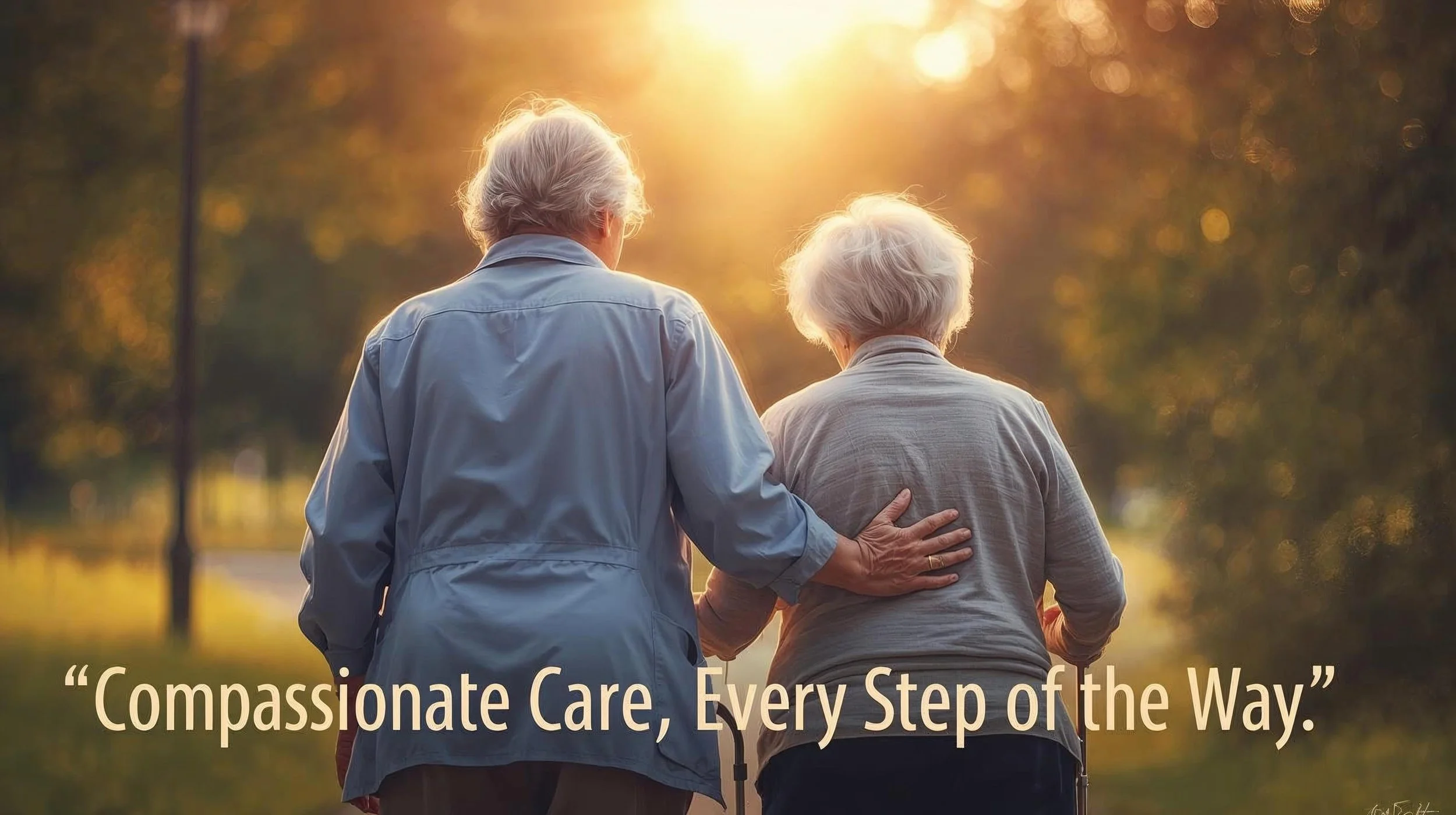
Every day, countless seniors navigate their homes with grace and independence, yet a single misstep can change everything. Falls are among the leading causes of injury, hospitalization, and long-term mobility issues for older adults, yet they are often preventable. For families in Regina, this concern can weigh heavily, knowing that even familiar spaces, the living room, the kitchen, the bathroom, can hide unexpected dangers.
Age-related changes like weaker muscles, reduced balance, slower reflexes, and vision impairment naturally increase fall risk. Medications may contribute to dizziness or low blood pressure, while everyday household items loose rugs, cluttered walkways, and slippery floors, can turn a safe environment into a hazard.
Despite these challenges, falls are not inevitable. Small, proactive measures combined with the right support create a safety net that allows seniors to maintain independence while protecting their well-being. Simple steps like improving lighting in hallways, ensuring night lights are installed, removing loose rugs, and keeping walkways clear of cords and clutter can make a substantial difference. Installing grab bars in bathrooms, using handrails on both sides of stairs, and ensuring chairs are sturdy with arms for support further enhance safety. Footwear and clothing also play a role; well-fitted shoes with non-slip soles and avoiding long, loose clothing can prevent accidental trips or slips. For seniors, falls are one of the leading causes of injury, hospitalization, and even a loss of independence. Yet, many families underestimate the risk or assume it only happens to “frail” loved ones.
The truth is, a fall can happen to anyone, and the right precautions, awareness, and support can make all the difference in maintaining safety and confidence at home.
Understanding the challenges that seniors face is the first step. Age-related changes such as reduced muscle strength, slower reflexes, balance issues, and vision impairment can increase the likelihood of a fall. Certain medications may cause dizziness or low blood pressure, making daily movements risky. Even common household hazards loose rugs, cluttered walkways, and poor lighting, can transform an otherwise safe home into a danger zone.
For families in Regina, falls can be particularly worrying during the winter months when snow and ice may add risk outside the home. At home, however, simple strategies, awareness, and caregiver support can significantly reduce accidents, preserving not only safety but also the dignity and independence of seniors.
Understanding the Risks: Why Falls Happen
Falls don’t happen randomly; they are usually the result of a combination of factors. Knowing these factors helps families and caregivers plan effective prevention strategies.
Physical Risks: Aging brings natural changes to the body. Muscles may weaken, joints stiffen, and balance can decline, making movements like standing up, climbing stairs, or reaching for objects more hazardous. Conditions such as arthritis, Parkinson’s disease, or previous injuries can amplify the risk.
Environmental Hazards: Many homes have hidden dangers that seniors may not notice. Poor lighting, loose rugs, uneven floors, slippery tiles in bathrooms, or cluttered pathways are common contributors. Even small things like cords across a walkway, furniture in awkward positions, or wet floors can lead to serious falls.
Medication Effects: Certain medications, particularly those for blood pressure, heart conditions, or mood disorders, can cause dizziness, drowsiness, or low blood pressure, increasing fall risk. Families should regularly review prescriptions with healthcare providers to minimize side effects that could contribute to accidents.
Behavioral Factors: Seniors who try to move too quickly, lift heavy objects, or reach for items on high shelves without support are at higher risk. Even enthusiasm for maintaining independence can inadvertently create situations where falls are more likely.
Statistics show that one in three adults over the age of 65 experiences a fall each year. Among those, many suffer injuries that lead to hospitalization or long-term mobility limitations. Yet with proactive measures, the majority of falls can be prevented, allowing seniors to maintain independence and confidence in their own homes.
The good news is that many of these risks can be mitigated with thoughtful, practical steps. Improving home safety doesn’t always require expensive renovations. Bright, consistent lighting throughout the house, particularly in hallways, staircases, bathrooms, and kitchens, helps seniors see potential hazards clearly. Non-slip mats in bathrooms and kitchens, secure rugs or removal of loose carpets, and keeping walkways free from cords, furniture, or other obstacles are small adjustments that can make a big difference.
Installing grab bars near toilets, showers, and bathtubs, along with sturdy handrails on staircases, provides additional support for daily movements. Encouraging seniors to wear well-fitted, supportive shoes with non-slip soles and avoiding long or loose clothing that may cause tripping also contributes to safety.
Practical Home Safety Tips
Creating a safe home environment is one of the most effective ways to reduce fall risk. Families can implement small but impactful changes, often without major renovations.
Lighting and Visibility:
Install bright, even lighting in hallways, staircases, and rooms used at night.
Consider motion-sensor night lights to prevent dark pathways.
Ensure switches are easily reachable from beds and entry points.
Floor and Walking Safety:
Remove loose rugs or use non-slip backing.
Keep walkways clear of clutter, cords, and furniture obstacles.
Use non-slip mats in bathrooms and kitchens.
Supportive Equipment:
Install grab bars near toilets, bathtubs, and showers.
Consider handrails on both sides of staircases.
Provide sturdy chairs with arms to assist with sitting and standing.
Footwear and Clothing:
Encourage supportive, well-fitting shoes with non-slip soles.
Avoid long, loose clothing that could catch on objects or trip.
Mobility and Exercise:
Encourage regular strength and balance exercises suitable for seniors.
Simple routines like chair exercises, tai chi, or gentle walking can improve stability.
Caregivers can assist and supervise exercises to ensure safety.
Emergency Preparedness:
Keep a phone within reach in every room.
Consider wearable alert devices for immediate help in case of a fall.
Establish a clear emergency plan for family and caregivers.
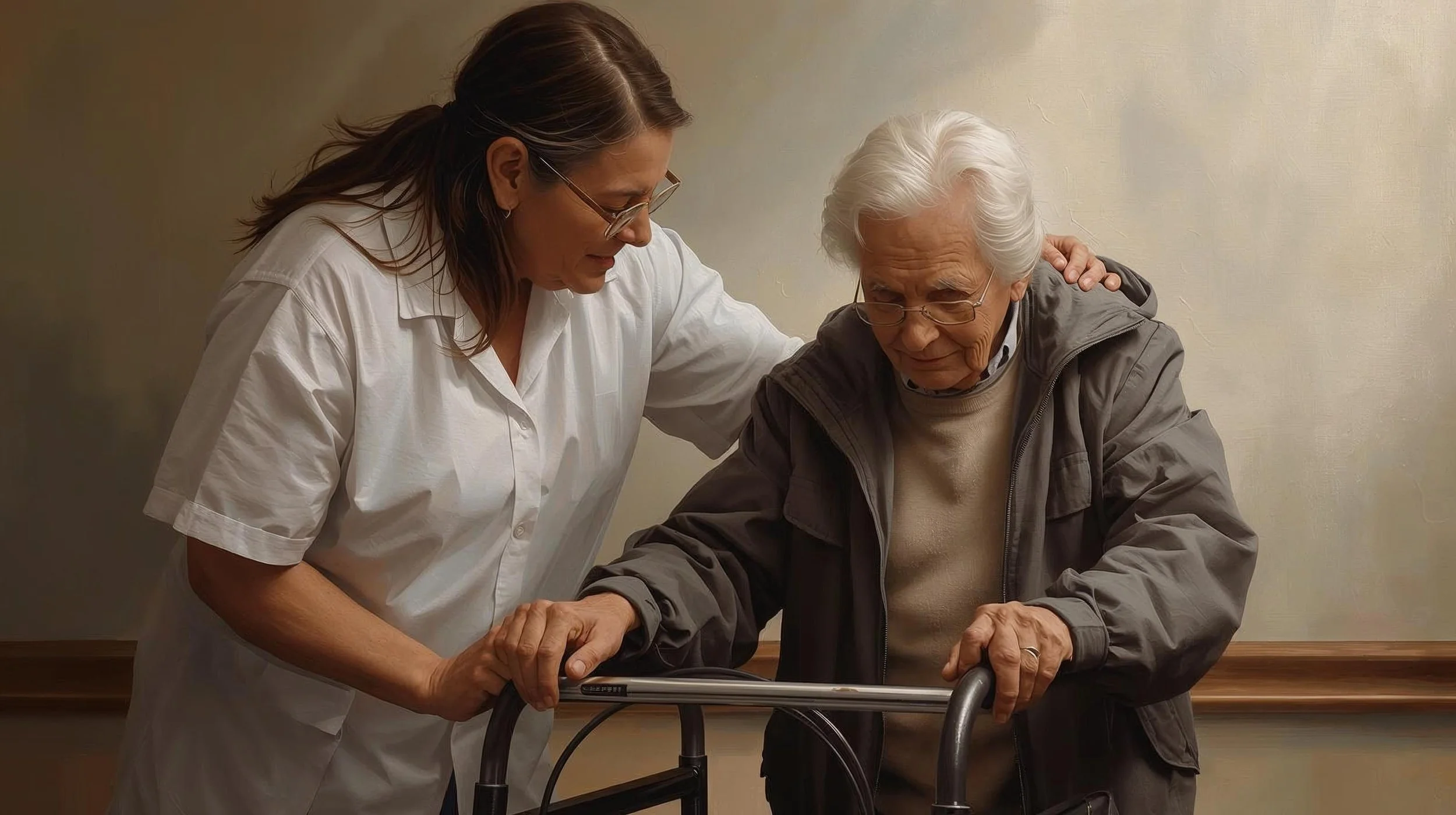
Families often find peace of mind knowing that their loved one is not only cared for but also empowered to live independently. Trained caregivers, personal care homes, and safe transportation work together to form a comprehensive safety network. From guiding seniors through daily movements to assisting with errands, appointments, and social outings, All Ways of Caring ensures that seniors remain safe, supported, and connected.
These precautions, while simple, are even more effective when combined with professional support. Trained caregivers can assist with personal care tasks that are particularly risky, such as bathing, dressing, toileting, or moving between bed and chair, providing both guidance and physical support. For seniors who require extra monitoring, personal care homes offer a structured environment with trained staff, safety equipment, and emergency response systems. Even transportation to appointments or urgent care can be a high-risk activity, but caregivers trained in safe mobility and care transport help ensure seniors travel securely, whether it’s a routine check-up or a hospital visit.
How All Ways of Caring Helps Keep Seniors Safe
While home modifications and preventive measures are essential, professional support can make the difference between confidence and fear. All Ways of Caring offers a comprehensive approach to fall prevention that combines personal care, safe transportation, and trained caregiver support.
Personal Care Support: Our Caregivers assist with daily activities that may be high-risk for falls, such as bathing, dressing, toileting, and transferring between bed and chair. By providing hands-on support, seniors can move safely, reducing the likelihood of missteps.
Personal Care Homes: For seniors who need continuous monitoring or a structured environment, personal care homes offer safety features like emergency call systems, non-slip flooring, and trained staff to prevent falls. Families can feel reassured knowing their loved one is supervised while still maintaining dignity and independence.
Care Transport Services: Trips to medical appointments, therapy sessions, or urgent hospital visits can be risky without support. All Ways of Caring provides trained caregivers and safe transport, including wheelchair-accessible vehicles and assistance for those with mobility challenges. Seniors receive professional supervision during transit, ensuring they arrive safely and comfortably.
Trained Caregivers and Equipment: Beyond daily assistance, our caregivers are trained to identify potential hazards, educate seniors on safe practices, and use specialized equipment like walkers, canes, and lifts. They also assist with medication management, which can reduce dizziness or balance-related complications that contribute to falls.
Through this combination of personal care, personal care homes, and transport assistance, All Ways of Caring ensures seniors not only avoid falls but also maintain confidence, independence, and quality of life. Caregivers provide both the physical support and the emotional reassurance necessary to make seniors feel safe in their homes.
Creating a Fall-Prevention Routine
Prevention is most effective when it’s consistent. Families and caregivers can develop routines that integrate safety checks, mobility exercises, and regular communication.
Conduct weekly home safety checks for clutter, loose rugs, or lighting issues.
Encourage short, daily balance and strength exercises under caregiver supervision.
Review medications monthly with healthcare providers to identify side effects that may affect balance.
Schedule regular caregiver visits to assist with high-risk activities, like stair navigation or bathing.
Incorporate social interaction, as isolation can lead to hurried movements or risky behavior when seniors attempt tasks alone.
Falls are more than physical accidents; they carry emotional weight. A fall can shake confidence, increase anxiety, and lead to reduced mobility due to fear. That’s why emotional support from caregivers is just as important as physical safety measures. All Ways of Caring emphasizes compassionate care, encouraging seniors to stay active, maintain independence, and feel secure in their own homes.
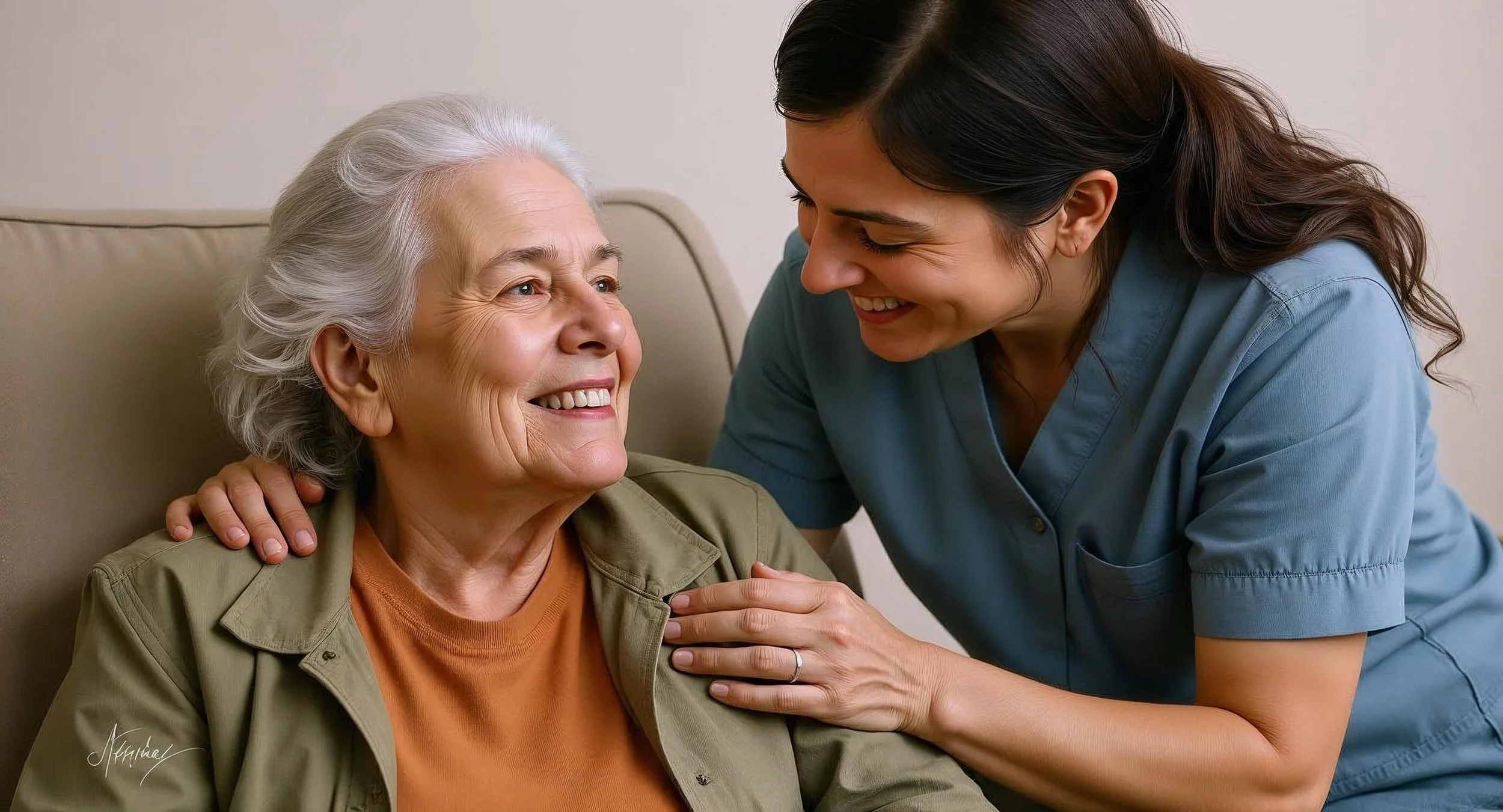
Beyond practical support, caregivers also foster emotional well-being through engagement and encouragement. Regular social interaction, shared activities, and gentle guidance help seniors overcome fear, regain confidence in their mobility, and remain active and independent. By blending physical assistance, safe environments, and compassionate care, All Ways of Caring helps seniors not only avoid falls but also maintain a sense of security, dignity, and quality of life in the comfort of their own homes. Families in Regina can enjoy peace of mind knowing that their loved one is protected, supported, and empowered to live safely. Call us today at 📞306-580-6555 to learn how All Ways of Caring can provide trained caregivers, personal care, safe transport, and home safety solutions to prevent falls and keep your loved one secure and independent.
