

The Rising Demand for Caregivers in Canada: What Families Should Know

Across Canada, the population is changing in ways that are gradually affecting many households. People are living longer than previous generations, medical treatments allow individuals to manage health conditions for extended periods, and retirement years now often span several decades. At the same time, family sizes have become smaller, and many adult children live far from their parents due to work or migration.
These changes do not happen suddenly. They develop slowly over time. Yet together they are reshaping how families manage aging, illness, and long-term care. One of the most visible outcomes of these demographic shifts is the growing need for caregiving support. What was once largely handled within families is increasingly becoming a broader social conversation that involves healthcare systems, community resources, and public policy.
Understanding why caregiving needs are increasing helps families better prepare for the realities of aging and long-term support.
Canada is aging steadily. Adults aged sixty-five and older now represent one of the fastest-growing groups within the population. Advances in healthcare, improved nutrition, and better public health systems have significantly increased life expectancy over the past several decades. Living longer is a positive development, but longer lives can also bring new challenges.
Many individuals now spend more years managing chronic health conditions or physical limitations that require assistance with daily activities.
Longer life expectancy often means:
More years living with chronic illness
Increased need for mobility support
Greater likelihood of cognitive decline
Longer periods of frailty in later life
These realities do not affect every individual in the same way, but they contribute to a broader increase in caregiving needs across the country. The impact can be particularly noticeable in smaller communities or rural areas where younger generations often move to larger cities for work while older adults remain in their homes.
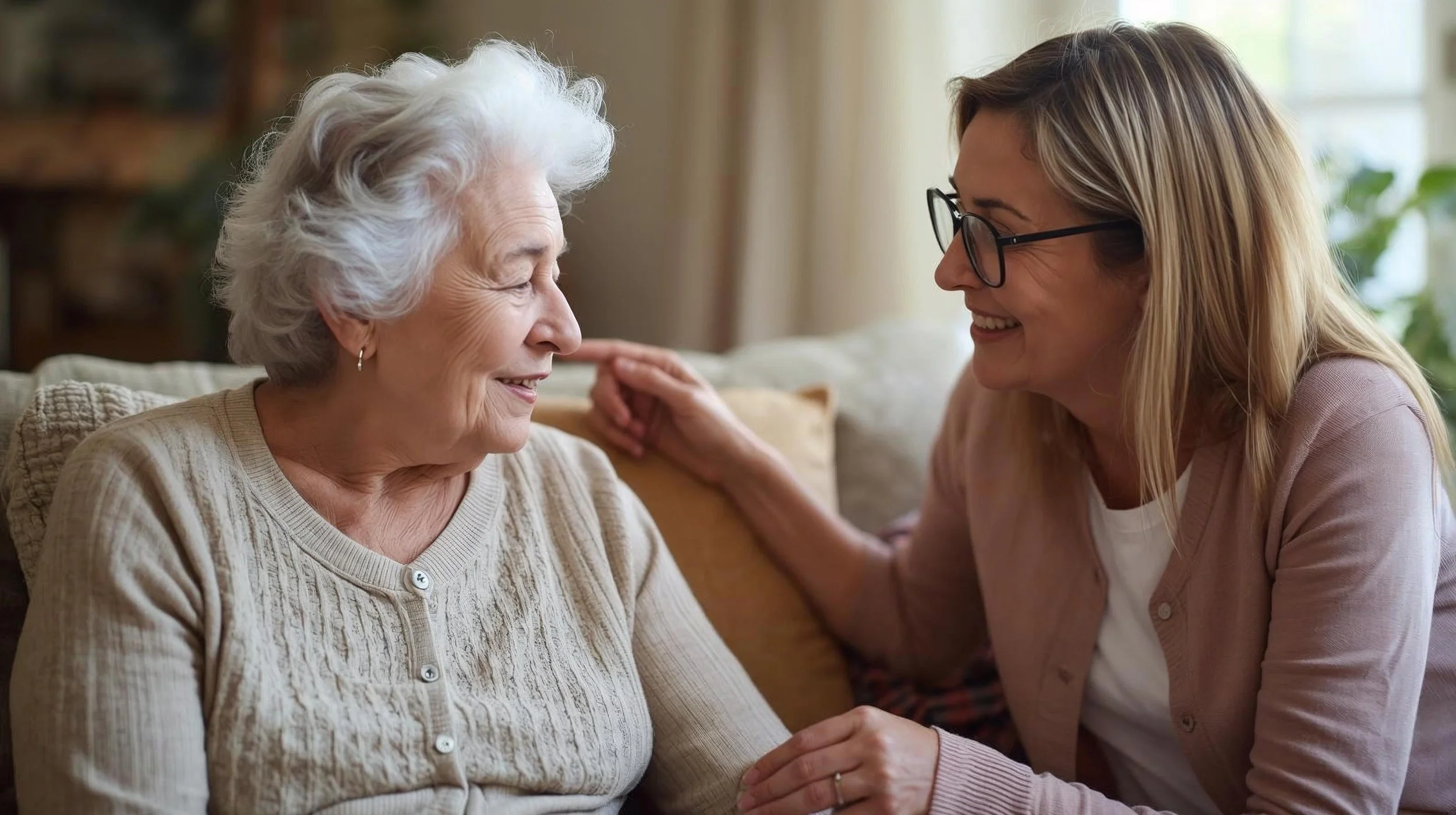
Family structures today look different from previous generations. In the past, caregiving often took place within large households or close knit communities where several family members lived nearby.
Today, families are often smaller. Many couples have only one or two children. Adult children frequently move to different cities or provinces for employment opportunities, and in some cases they relocate internationally.
Distance can make daily caregiving difficult, even when family members are committed to supporting their parents or relatives. Regular assistance with meals, mobility, appointments, or safety monitoring may not always be possible when loved ones live far away. Because of this geographic separation, caregiving responsibilities are often shared between family members and outside support systems.
Medical advances have allowed individuals to live longer with conditions that were once considered life-limiting. Diseases such as diabetes, heart disease, arthritis, and neurological conditions can often be managed for many years.
However, long-term management still requires ongoing attention. Many people living with chronic illness must maintain:
Medication schedules
Dietary adjustments
Regular medical appointments
Monitoring of symptoms
Adaptations to mobility or energy levels
Even when conditions are stable, daily routines can become more complex over time. As independence gradually changes, some individuals require additional assistance with everyday activities. In many cases, this shift happens slowly rather than suddenly.
Another factor contributing to caregiving demand is the rise in cognitive conditions such as dementia and Alzheimer’s disease. These conditions affect memory, judgment, and the ability to perform familiar tasks. Individuals may experience confusion, changes in behavior, or difficulty managing routines that were once automatic.
Common challenges may include:
Forgetting medication schedules
Becoming disoriented in familiar environments
Wandering or safety risks
Difficulty managing finances or appointments
Cognitive decline often requires consistent supervision and structured daily routines to maintain safety and stability. Family members frequently provide the first layer of support, but the level of care required may increase as the condition progresses.
Surveys consistently show that most older adults prefer to remain in their own homes as they age. Familiar surroundings provide a sense of comfort, independence, and connection to the community.
Remaining at home, however, may require adjustments. Daily tasks such as cooking, housekeeping, mobility, or medication management can become more difficult over time. Homes may also need safety modifications to reduce fall risks or improve accessibility. Aging at home often depends on the availability of support systems that help individuals maintain routines while monitoring health and safety.
Family members continue to provide the majority of caregiving in Canada. Spouses, adult children, and close relatives often take on significant responsibilities when a loved one begins to need assistance.
Family caregivers frequently balance multiple roles at once. They may be employed full-time, raising children, managing households, and coordinating medical appointments while also providing daily care. These responsibilities can accumulate over time and may create emotional, physical, and financial pressures.
Some family caregivers reduce work hours or leave the workforce temporarily in order to provide care. Others manage caregiving responsibilities alongside full-time employment. Recognizing these pressures has led to broader conversations about how communities and healthcare systems can better support families facing long-term caregiving responsibilities.
Population aging influences more than healthcare services. It affects several areas of society, including:
Labour markets
Pension systems
Housing needs
Social services
Community infrastructure
When working adults reduce employment hours to provide care, household income may be affected. Businesses may also experience workforce challenges when employees must balance caregiving with professional responsibilities. For this reason, caregiving is increasingly viewed not only as a personal or family matter but also as a broader social issue.
Canada’s population is culturally diverse, and perspectives on caregiving can vary widely across communities. Some cultural traditions place strong emphasis on family caregiving within the household. Others rely more heavily on formal care systems or community-based services.
Despite these differences, several common values appear across many cultures:
Respect for older adults
Desire to maintain dignity
Concern for safety and well-being
The need to balance family life with employment responsibilities
Understanding these cultural perspectives is important when discussing caregiving needs and support systems.
Technology is beginning to play a growing role in supporting caregiving. Tools such as remote monitoring systems, medication reminder devices, and communication platforms can help families stay informed about the well-being of loved ones who live independently.
While technology can support caregiving, it does not replace human interaction. Emotional reassurance, physical assistance, and personal connection remain central to caregiving relationships. Technology is most effective when used alongside human care rather than as a substitute for it.
For many families, discussions about caregiving begin only when a crisis occurs. A fall, hospitalization, or sudden health change can force quick decisions about support and care arrangements. Planning earlier can help reduce stress and uncertainty.
Open conversations about aging, safety, and future support needs allow families to make thoughtful decisions rather than reacting to emergencies. Recognizing that caregiving needs are becoming more common across Canada may help families approach these discussions with greater understanding and preparation.
Canada’s aging population will continue to grow over the coming decades. This trend reflects positive developments in healthcare and longevity, but it also requires adaptation within families, communities, and support systems.
Several interconnected factors contribute to the rising need for caregiving:
Longer life expectancy
Higher rates of chronic illness
Increased cognitive conditions such as dementia
Smaller family networks
Geographic distance between family members
Greater preference for aging at home

These changes mean that caregiving is becoming an increasingly important part of how Canada supports its older population. Understanding these demographic shifts helps families, communities, and policymakers prepare for the evolving needs of an aging society.
For further information about caregiving support and services, families may contact All Ways of Caring at 306-580-6555 or visit allwaysofcaring.ca.
