

Empowering Independence: Caregiver Support for Daily Living

Each morning begins quietly. Light moves through the curtains. A clock signals the start of another day. In many homes, routines unfold automatically. Getting out of bed, washing up, dressing, preparing breakfast, and taking medication are completed without much thought.
For others, these same tasks require planning, assistance, and careful attention. Activities of daily living, often referred to as ADLs, form the structure of independence. When mobility changes, memory becomes unreliable, or strength declines, these everyday routines can feel overwhelming. Yet with professional caregiver support, they remain achievable. The goal is not to replace independence, but to protect and strengthen it. At the heart of daily living support is a simple principle: preserve dignity while ensuring safety.
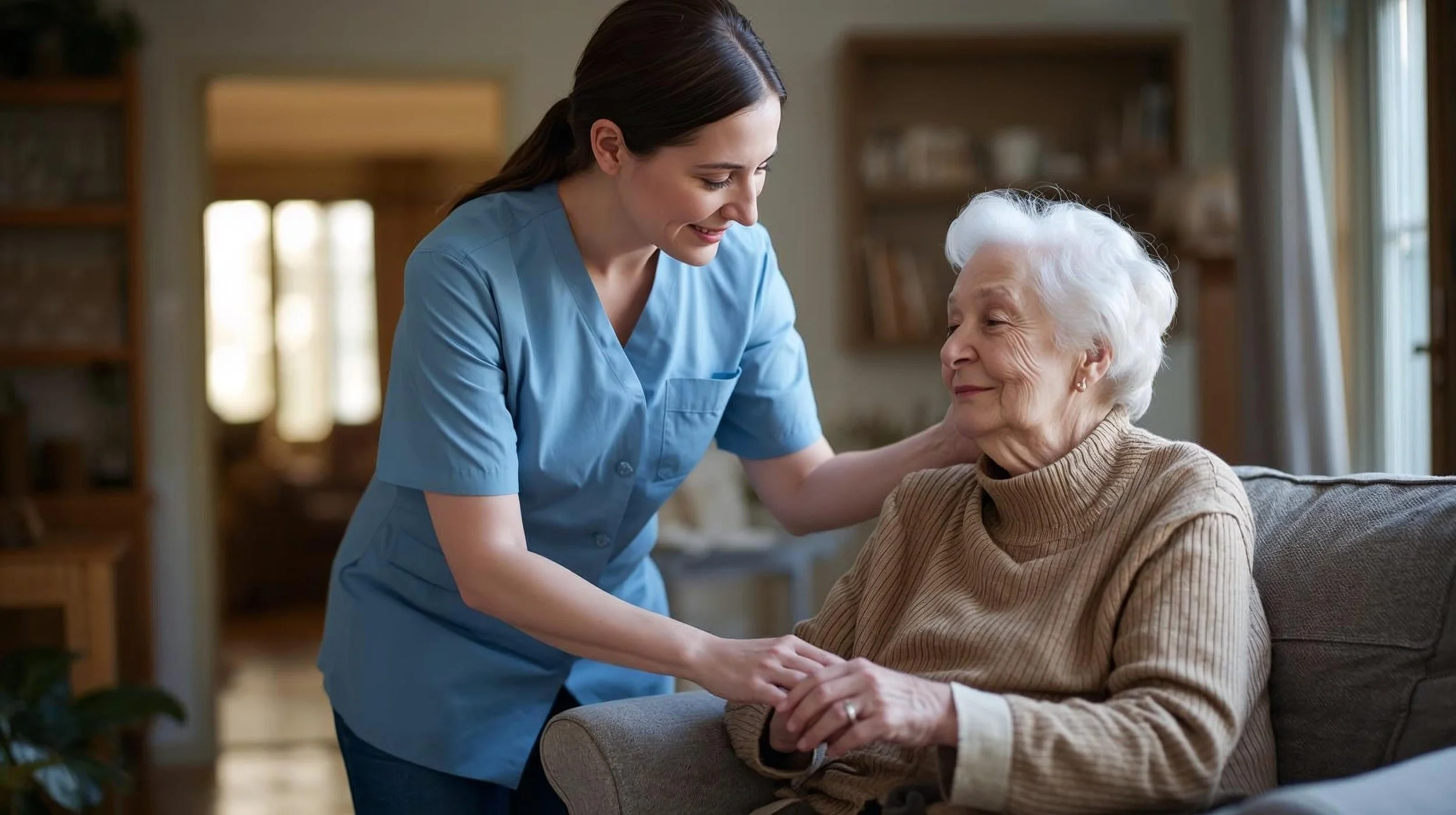
Consider the beginning of a typical morning. An older adult with limited mobility wakes up knowing that standing safely requires support. A caregiver arrives at the scheduled time, greets the individual respectfully, and explains each step before assisting. The process is steady and methodical. Sitting upright. Pausing to prevent dizziness. Placing feet securely on the floor. Rising with balanced assistance. These movements are deliberate, guided by training and awareness of fall prevention techniques.
What may seem routine is, in reality, highly skilled work. Caregivers assess posture, balance, strength, and responsiveness in real time. They adapt their support depending on the individual’s condition that day. Some mornings require more guidance. Others allow for greater independence. This structured approach ensures safety while reinforcing confidence.
Personal hygiene is fundamental to health and well-being. They help prevent infection, promote circulation, and maintain comfort. Professional caregivers understand that assisting with hygiene requires discretion and attentiveness. Privacy is protected. Clear communication is maintained. The individual is encouraged to participate in each step as much as possible.
While completing these tasks, caregivers observe for early signs of health issues such as skin irritation, bruising, dehydration, or reduced mobility. Routine hygiene becomes an opportunity for preventative care. Even small details matter. Oral hygiene may reveal gum sensitivity or infection. Skin dryness may signal hydration concerns. Caregivers are trained to notice and report these observations appropriately. The result is not only cleanliness, but proactive health support.
Clothing choices reflect identity, routine, and personal standards. Caregivers support dressing in a way that prioritizes comfort, weather appropriateness, and safety. For individuals experiencing arthritis, reduced dexterity, or limited shoulder mobility, buttons, zippers, and footwear can present challenges. A caregiver assists while encouraging participation wherever possible.
Adaptive techniques, such as seated dressing or step-by-step sequencing, allow individuals to remain involved in the process. Caregivers adjust pacing and positioning based on the person’s abilities that day. Maintaining control over daily appearance supports psychological well-being as much as physical comfort.
Meals are essential to strength, immunity, and energy levels. For individuals living with chronic conditions, dietary management is often part of medical treatment.
Caregivers assist with:
Meal planning aligned with dietary restrictions
Safe food preparation
Texture modification for swallowing concerns
Monitoring hydration intake
Providing reminders or assistance during eating
In cases involving diabetes, heart disease, or digestive conditions, attention to portion control and nutritional balance is critical. Caregivers follow care plans while remaining attentive to changes in appetite or tolerance.
Mealtime also provides structure to the day. It offers predictability and routine, both of which are especially important for individuals managing memory-related conditions. Proper nutrition strengthens physical resilience and supports long-term independence.
Mobility is closely linked to autonomy. Even small movements, such as walking to the living room or transferring from a chair to a bed, contribute to a sense of capability. Caregivers are trained in safe transfer techniques and fall prevention strategies.
They assist with:
Ambulation support
Use of walkers or mobility aids
Positioning for comfort
Gentle range of motion exercises
Each movement is approached with caution and attentiveness. Fall risks are evaluated daily. Environmental hazards such as loose rugs or clutter are identified and addressed. Maintaining mobility supports circulation, muscle tone, and balance. It also reinforces confidence in navigating familiar surroundings. For individuals recovering from illness or surgery, consistent mobility assistance can significantly impact long-term recovery outcomes.
Medication management is one of the most critical aspects of daily living support. Missing doses, taking incorrect amounts, or misunderstanding instructions can lead to serious complications.
Caregivers assist by:
Providing reminders according to schedule
Ensuring medications are taken as directed
Observing for side effects
Monitoring changes in physical or cognitive condition
In addition to medication reminders, caregivers may support routine health monitoring, such as blood pressure checks, glucose tracking, or breathing exercises, when included in the care plan. Their role is not to replace medical professionals, but to reinforce adherence and observe changes that may require medical follow-up. This consistent oversight reduces preventable hospital visits and promotes stable health management.

One of the most valuable aspects of caregiver support is routine. When daily activities follow a predictable structure, individuals experience reduced stress and improved confidence. Caregivers help establish this rhythm by arriving consistently, following familiar sequences, and adapting only when necessary.
For someone living with cognitive decline, structured routines reduce confusion. For someone managing chronic pain, pacing tasks throughout the day prevents exhaustion. Consistency becomes the foundation for stability. No two days are identical. Physical strength may fluctuate. Energy levels may shift. Emotions may vary. Professional caregivers continuously assess and adjust their approach. If standing feels more difficult than usual, they modify the transfer method. If appetite decreases, they adjust meal preparation. If mood changes, they respond with steady reassurance while maintaining professionalism. This flexibility requires training, observation skills, and patience. Caregiving is dynamic. It demands both structure and adaptability.
Independence does not mean doing everything alone. It means having the ability to live according to personal preferences, safely and with confidence. When daily tasks become difficult, professional support prevents small challenges from becoming major barriers. The presence of a caregiver allows individuals to remain in their homes longer, maintain routines, and continue participating in familiar activities.
A safe morning transfer. A balanced meal. A timely medication reminder. A short walk down the hallway. These moments accumulate into a stable and manageable day. Imagine an older adult who once felt discouraged by the effort required to begin each day. Standing felt uncertain. Bathing carries fall risk. Medication schedules were confusing.
With structured caregiver support:
Morning transfers became secure
Hygiene routines became organized and safe
Meals were prepared according to dietary needs
Medications were taken consistently
Mobility within the home improved
Gradually, confidence returned. The individual no longer focused on the difficulty of each task, but instead on the flow of the day itself.
In another scenario, a person managing multiple prescriptions experienced frequent missed doses. With attentive caregiver oversight, medication adherence improved, health stabilized, and unnecessary stress decreased. These outcomes are not dramatic headlines. They are steady improvements that protect long-term well-being.
Caregivers supporting activities of daily living combine technical skill with attentiveness.
Their training covers:
Safe mobility techniques
Infection prevention practices
Basic health observation
Communication strategies
Documentation and reporting procedures
Beyond technical ability, they bring consistency, reliability, and structured support into the home environment. From morning routines to evening medication reminders, caregivers create a dependable framework that allows individuals to live with confidence.
Activities of daily living are the building blocks of independence. When these tasks become difficult, the right support ensures that life remains structured, manageable, and meaningful. Through assistance with hygiene, dressing, mobility, nutrition, and medication management, caregivers help transform potentially overwhelming tasks into achievable routines.
The impact is steady and practical. Safety improves. Health stabilizes. Confidence strengthens. For more information about daily living support services, visit allwaysofcaring.ca or call 306 580 6555.
Professional caregiver support does not take away independence. It protects it.
