

The Role of In-Home Caregivers in Canada

Caring for another person is one of the most human things we do. In homes across Canada, caregivers quietly support older adults, people living with disabilities, and individuals recovering from illness or injury. Their work often happens behind the scenes, yet it shapes daily life in powerful ways. A caregiver helps make mornings gentler, evenings calmer, and everyday routines possible.
A caregiver is someone who provides practical and emotional support to another person who needs help with daily living. Caregivers may work in private homes, supportive living environments, or community settings. Many caregivers support seniors who wish to remain at home as they age, while others assist adults with chronic conditions, disabilities, or memory loss.
Caregiving in Canada is not a single task or checklist. It is a flexible role shaped by the needs of the individual receiving care. One day might focus on personal care and household routines. Another day might revolve around conversation, reassurance, and simply being present.
One of the core responsibilities of a caregiver in Canada is assisting with activities of daily living. These are the everyday tasks many people take for granted, yet they can become challenging with age, illness, or disability.
Caregivers often help with bathing, grooming, dressing, and personal hygiene. This kind of support requires more than physical assistance. It calls for sensitivity, respect, and an understanding of personal boundaries. A good caregiver moves at the pace of the person they support, offering help without taking away independence.
Dressing for the day may involve choosing comfortable clothing, fastening buttons, or supporting balance. Bathing support might include preparing the space, ensuring safety, and offering reassurance. These moments can feel vulnerable for the person receiving care, which is why trust and calm presence matter so much.

Mobility support is another key part of what caregivers do in Canada. This may include helping someone move safely around their home, transfer from bed to chair, or walk with assistance. Caregivers are trained to encourage movement while prioritizing safety. They may help with gentle exercises, stretching, or guided walks that support strength and confidence. For individuals who use mobility aids such as walkers or wheelchairs, caregivers ensure these tools are used properly and safely. A caregiver’s watchful eye and steady support can reduce risks and provide peace of mind for families. Sometimes the most important help is simply being there, ready to assist if balance wavers or fatigue sets in.
Food is more than fuel. It is comfort, culture, and connection. Caregivers in Canada often assist with meal planning, preparation, and nutrition support, ensuring the person they care for eats well and enjoys their meals.
This might involve preparing familiar dishes, accommodating dietary restrictions, or encouraging regular meals and hydration. Some individuals need reminders to eat or drink. Others may need hands-on help during meals. Caregivers pay attention to preferences and routines. They notice changes in appetite and adjust accordingly. In many homes, shared meals become a meaningful part of the day, offering time for conversation and connection.
Many Canadians receiving care take multiple medications. Caregivers often support medication routines by providing reminders, helping organize pill schedules, and observing for side effects or changes in health.
While caregivers do not replace doctors or nurses, they play an important role in daily health awareness. They notice when something feels off. They observe patterns, changes in mood, sleep, or appetite, and communicate concerns to family members or health professionals. This kind of attentiveness can make a real difference. Early observation often leads to early action, which supports better outcomes and peace of mind.
A caregiver’s role in Canada often includes light household support. This helps maintain a safe, comfortable, and familiar living environment. Tasks may include tidying living spaces, doing laundry, washing dishes, or changing bed linens. Caregivers help keep pathways clear to reduce fall risks and ensure the home remains welcoming.
Caregivers not only support individuals. They also support families. Many Canadian families balance work, children, and other responsibilities while caring for an aging parent or loved one. Professional caregivers help relieve this pressure. They provide reliable support that allows family members to rest, focus on their own health, or simply enjoy time with their loved one without being overwhelmed by tasks. This shared approach to care strengthens families. It ensures no one has to do everything alone.
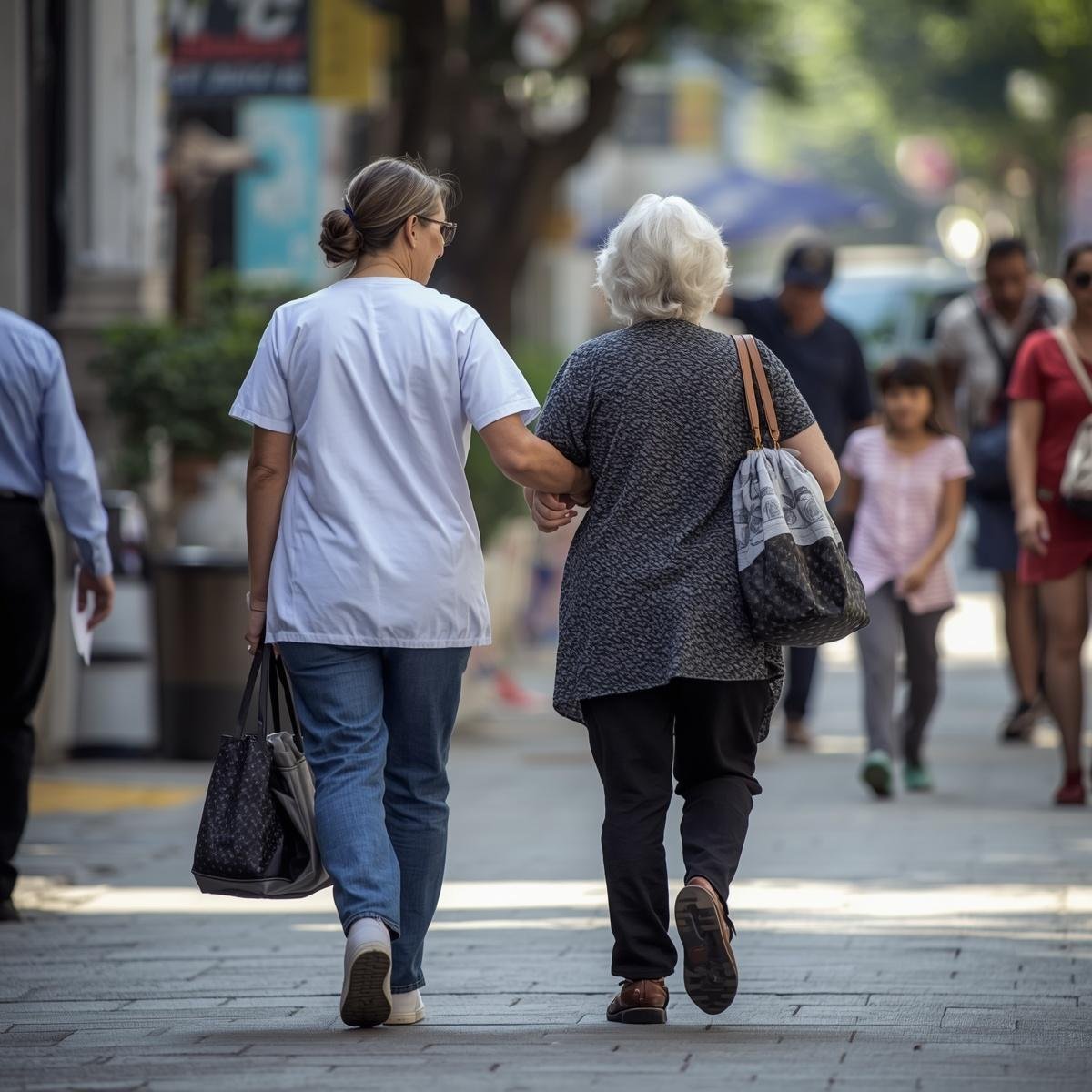
Caregivers work in many environments across Canada. Home care is one of the most common settings, allowing individuals to remain in familiar surroundings. Others work in assisted living, long-term care, or community programs. Home-based caregiving is especially valued by Canadians who wish to age in place. Caregivers adapt to each home and routine, respecting personal space and preferences.
No matter the setting, the heart of caregiving remains the same. It is about helping people live their lives with comfort, dignity, and support.
Canada’s population is aging, and the demand for quality care continues to grow. Caregivers play a crucial role in supporting healthy aging and community wellbeing. By helping individuals remain at home, caregivers reduce strain on hospitals and long-term care facilities. They support independence and quality of life. They allow people to stay connected to their neighborhoods and routines.
For families seeking compassionate home care in Canada, All Ways of Caring offers thoughtful, respectful support that fits real-life needs. Their caregivers focus on daily living support, safety, and meaningful connection, always with dignity at the center.
If you would like to learn more about caregiving services or discuss care options, you can reach All Ways of Caring at 📞306 580 6555 or visit our website 🌐 allwaysofcaring.ca. Our team is available to answer questions and help families find the right level of support.
